

Mechanic explaining a brake adjustment to a cyclist outdoors
Guides and Information

Free Bicycle Maintenance Resources

Practical information from the mechanics who work on bikes every day. No sales pitch. Just what works.

These guides cover maintenance tasks that cyclists encounter regularly. Some you can handle yourself with basic tools. Others are indicators for when professional service makes sense. Either way, knowing what is happening with your bike helps you make informed decisions about care and repair.

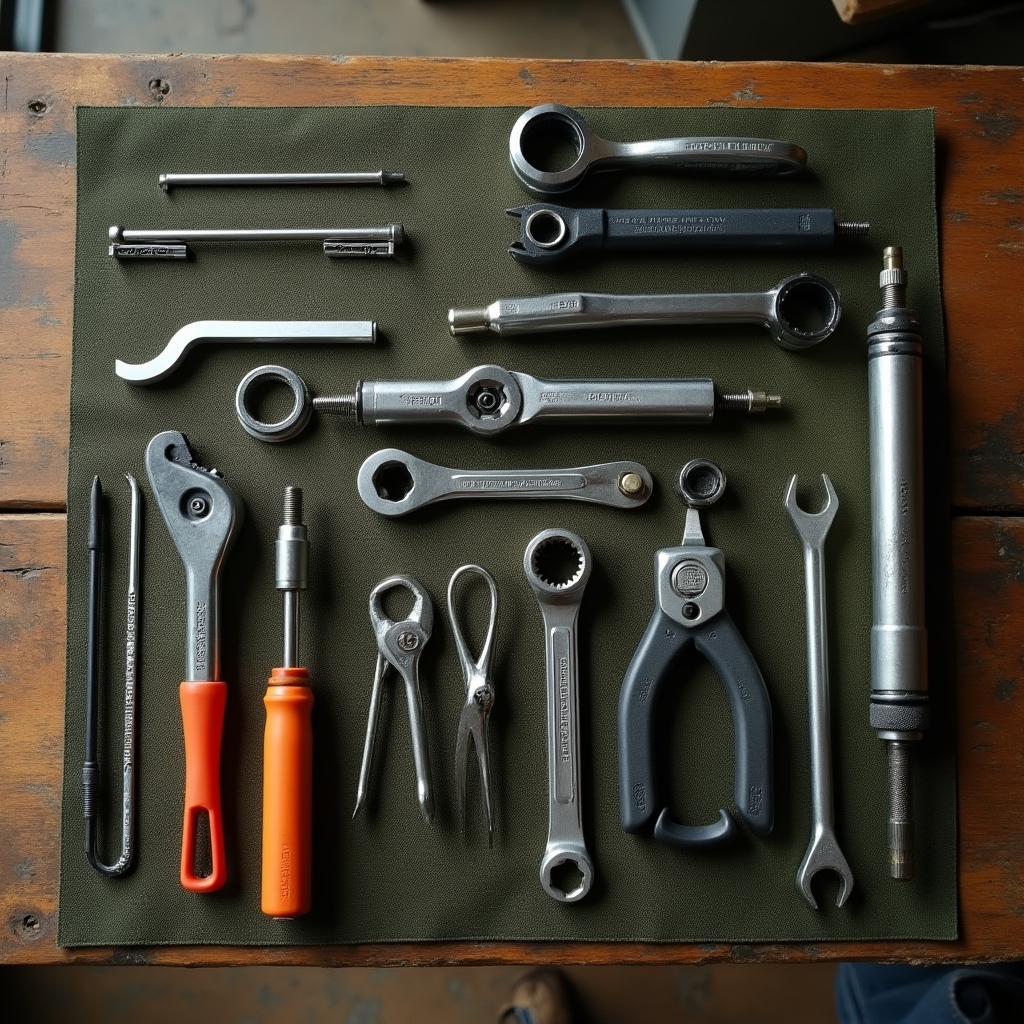
Complete bicycle repair toolkit spread on a work surface
Chain Care

How to Know When Your Chain Needs Replacing

Chain wear is not visible by looking at it. A worn chain feels fine to ride and looks fine on the bike. The problem appears later: worn chains accelerate wear on cassettes and chainrings, which cost significantly more to replace than a chain.

A chain wear indicator tool is the standard way to measure. Mechanics use a gauge that measures whether the chain has stretched beyond acceptable limits. The measurement is taken by inserting the gauge between links. If it drops in at the 0.5% mark, replacement is advisable. If it reaches 0.75%, both chain and cassette may need replacing together.

For everyday urban commuting, chain check intervals of every two to three months are typical. Wet conditions and heavy use shorten that interval. A clean, lubricated chain lasts longer and shifts more precisely.
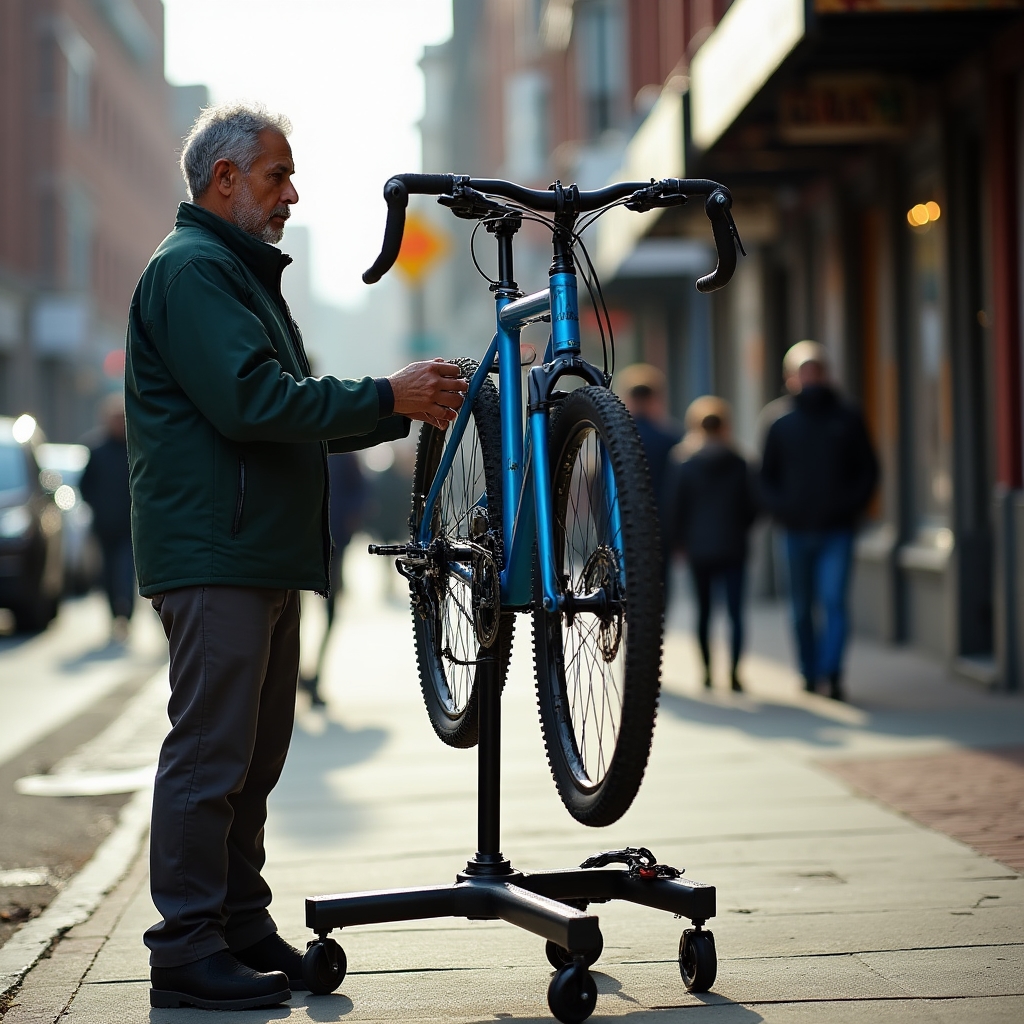
Bicycle flat tire being repaired on an urban sidewalk
Tires

Flat Tire on the Road: What to Do Before Calling

A flat tire away from home puts you in a decision point. If you carry a spare tube and a pump, a roadside fix is possible with minimal tools. If not, here is what to know before calling for a mobile repair.

First, do not ride on a flat. Even a short distance can damage the rim, particularly on thin road tires. Walk the bike or use a stand. Note the tire size, which is usually printed on the sidewall. When you contact us, having that information speeds up the call significantly.

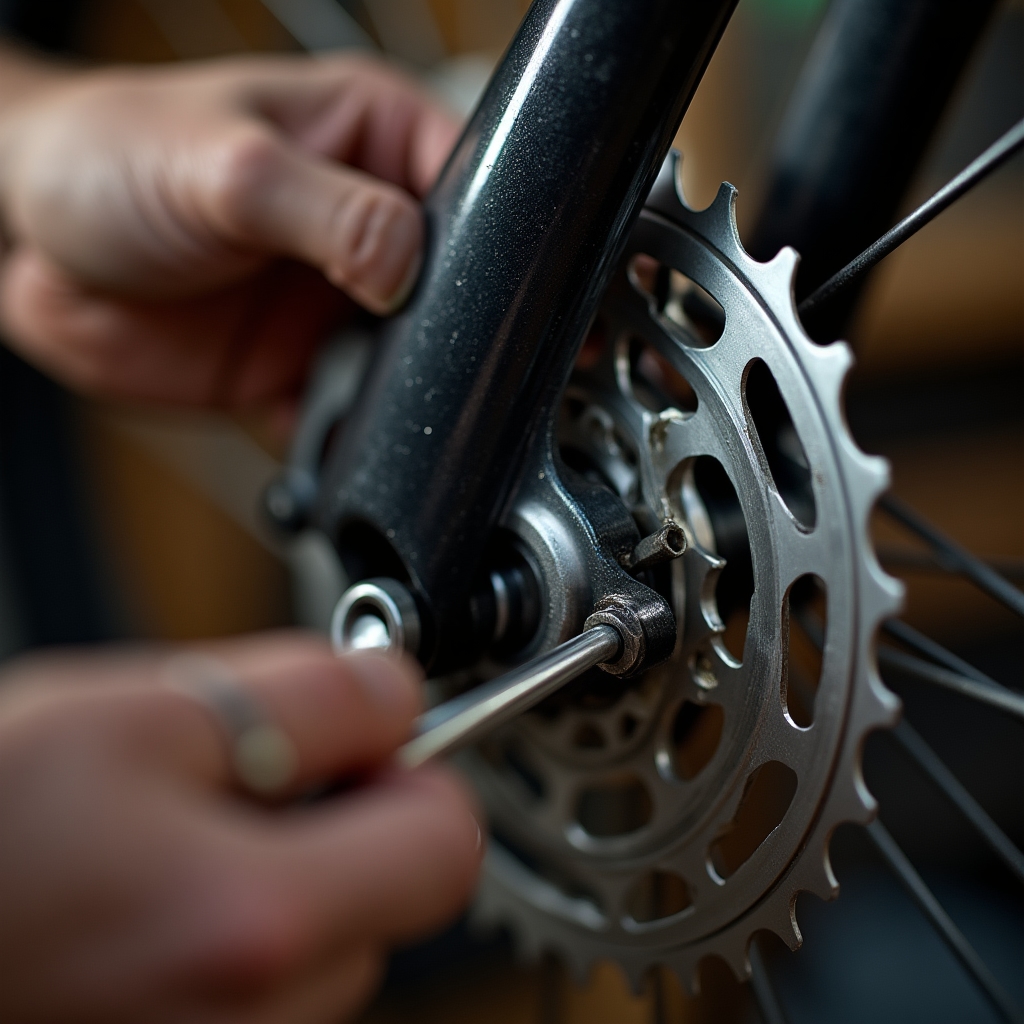
Rear derailleur being precisely adjusted with a screwdriver
Shifting

Why Gears Skip and What Causes It

Skipping gears under load is one of the most common complaints from cyclists. It feels like the chain is slipping, which it essentially is. The causes range from simple to mechanical.

Cable stretch is the most common cause on bikes that are a season or two old. The inner cable stretches over time, reducing the tension that holds the derailleur in indexed position. A barrel adjuster turn or two often resolves it. If that does not help, the cable may need replacement, or the cassette may be worn enough that the chain cannot seat properly.

Brakes

Rim Brakes vs. Disc Brakes: What Changes in Maintenance

Both brake types require periodic adjustment, but the maintenance tasks differ. Rim brakes use brake pads that press against the wheel rim. The pads wear down and need replacing when the groove lines disappear. Alignment matters: misaligned pads cause uneven wear and reduced stopping power.

Disc brakes use a rotor and caliper. The pads are less visible and harder to inspect without removal. Rotor condition matters too. A warped rotor causes pulsing during braking. Mechanical disc brakes are adjusted via cable tension and caliper position. Hydraulic disc brakes require bleeding when lever feel becomes spongy.

For general urban commuting, rim brakes are easier to maintain without specialized tools. Disc brakes provide more consistent performance in wet conditions but require more specific knowledge when something goes wrong.

Maintenance

A Seasonal Maintenance Checklist for Urban Cyclists

Spring startup and fall preparation are the two most practical times to do a thorough review of your bike's condition. Here is what to check at each interval.

Spring: inspect tire condition after winter storage, check brake pad wear, lube chain after cleaning off any old lubricant, check all bolts for torque, inflate tires to correct pressure after pressure loss during storage.

Fall: assess cable condition before wet season, check brake pad thickness, clean and lube chain thoroughly, inspect wheel truing, check lights and reflectors if you ride in reduced daylight.

Monthly minimum: tire pressure check, quick brake lever test, chain lube if it looks dry or sounds rough.

Storage

How to Store a Bicycle in an Apartment

Storing a bike in a small apartment requires thinking about three things: weight, wall contact, and air quality. Hanging the bike vertically by the front wheel from a ceiling hook is space-efficient and puts no stress on components. Wall-mounted hooks that hold the bike horizontally work too, though they require more horizontal clearance.

Avoid storing a bike leaning against a wall with only the tire touching. This puts side load on the wheel and can cause rim wobble over time. If floor storage is the only option, a stand that holds the bike by the frame is preferable to leaning.

Keep the bike away from heat sources and direct sunlight during storage. Both accelerate rubber degradation on tires and brake pads.

Need a repair, not just information?

When the issue is beyond a guide or you simply do not have the tools, contact us to schedule a mobile repair visit.

Contact Us